
A creative career does not always begin with perfect resources, a major company or access to the biggest industry centres. Sometimes, it starts with learning how things work.
It starts with developing useful skills, meeting the right people and finding ways to connect talented individuals with opportunities.
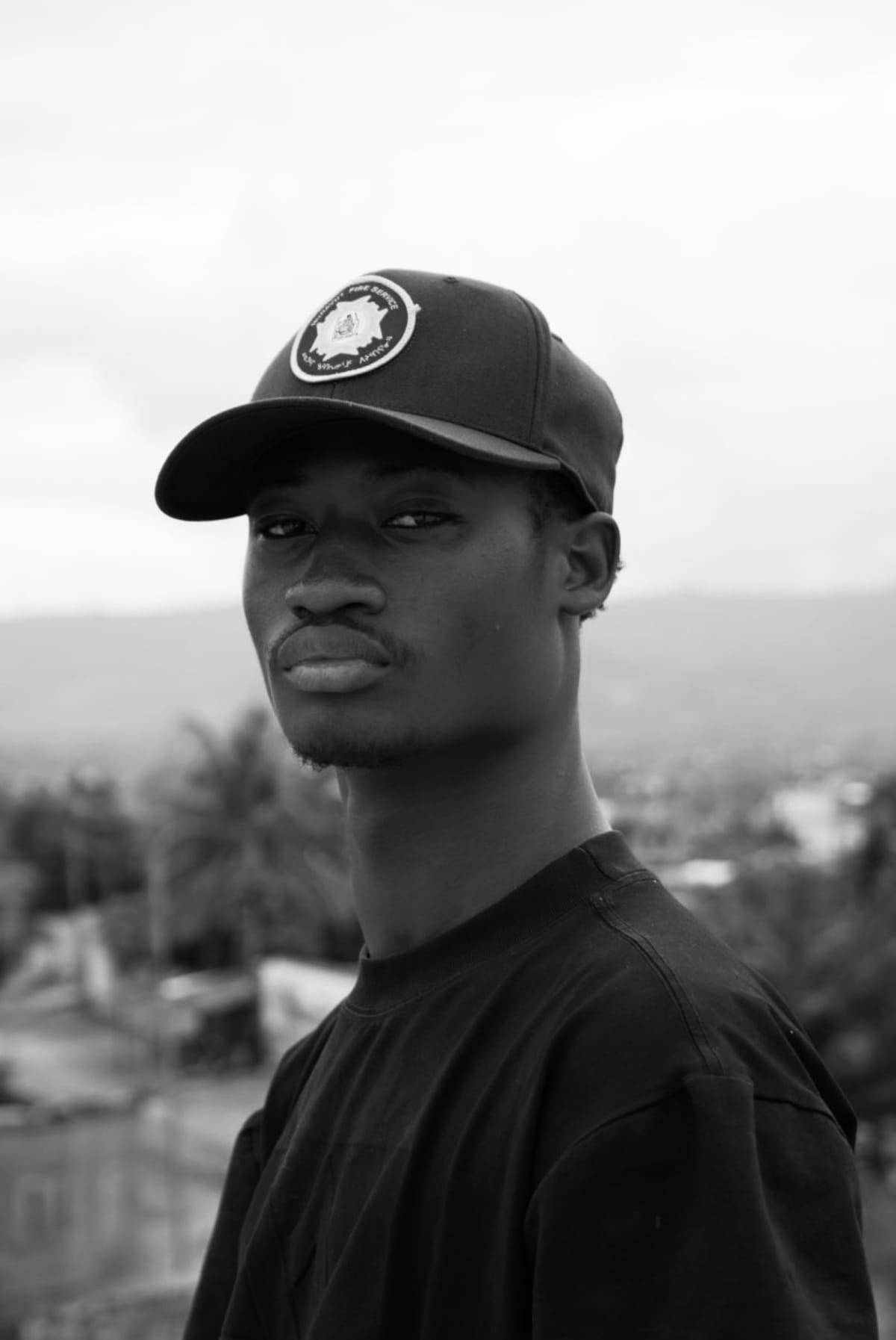
For NIHTAEL, a young Togolese cultural entrepreneur based in Lomé, that has been an important part of his journey.
His work sits at the intersection of artist development, digital strategy, media positioning and creative-business support. But beyond the different services he provides, there is a bigger idea behind his work.
African talent is everywhere.
The challenge is often finding the right structure, visibility and support to help that talent reach a wider audience.
Table of Contents
Who Is NIHTAEL?
NIHTAEL is a cultural entrepreneur from Togo whose professional journey has been shaped by his interest in the creative economy and the people building within it.
Based in Lomé, he has developed experience supporting artists and creative projects through different stages of their professional journey.
His work includes artist development, digital strategy, media positioning and creative-business support.
Rather than treating these areas as separate, NIHTAEL sees them as connected.
An artist does not only need talent.
They also need a professional identity.
They need to know how to communicate their work, build relationships, position themselves online and create opportunities around what they do.
This is where NIHTAEL has found his space.
Building a Creative Career From Togo
One of the interesting parts of NIHTAEL’s story is his decision to build from Lomé, Togo.
Across Africa, cities such as Lagos, Johannesburg and Accra often receive significant international attention for their entertainment and creative industries.
Lomé operates on a different scale.
For someone working in the creative industry, this can present challenges. There may be fewer major industry events, fewer international companies and fewer established networks compared with some of Africa’s larger creative hubs.
But limitations can also force people to think differently.
Instead of depending entirely on the local market, entrepreneurs can look beyond their immediate environment.
Digital platforms make it possible to build relationships across countries, promote creative work to international audiences and connect people who may never have met physically.
For NIHTAEL, this cross-border approach has become an important part of building his professional network.
African Talent Needs More Than Talent
There is no shortage of creative talent in Africa.
Every day, young people across the continent are producing music, films, photography, fashion, art, digital content and other forms of creative work.
But talent alone does not always translate into opportunity.
An artist can have an excellent project and still struggle to get noticed.
A creative entrepreneur can have a good idea but lack the networks needed to take it further.
A talented musician can produce great music but struggle to communicate their story to media outlets, potential partners or international audiences.
This is one of the areas NIHTAEL’s work focuses on.
His approach is built around helping creatives understand that professional presentation is part of the creative journey.
The work does not end when the creative product is completed.
There is also the question of how that work is positioned, communicated and presented to the world.
Why Media Visibility Matters for African Creatives
For NIHTAEL, media visibility is not simply about appearing on websites or being mentioned in an article.
It is about building a credible professional record.
When someone searches for an artist, entrepreneur or creative project online, what they find can influence how they perceive that person.
A clear professional story can make a difference.
A strong digital presence can make a difference.
Media features can also help create a record of someone’s work and achievements over time.
This becomes particularly important when creatives are trying to connect with people outside their immediate networks.
A potential partner in another country may not know the person personally.
They may first encounter them through their website, social media pages, interviews, articles or other digital platforms.
That is why NIHTAEL sees media positioning as part of a creator’s wider professional identity.
Turning Connections Into Opportunities
Relationship-building has become an important part of the modern creative economy.
Opportunities rarely come from one place.
Sometimes they come through a recommendation.
Sometimes through a media connection.
Sometimes through a conversation that happens online.
And sometimes, a relationship that starts with a simple introduction eventually develops into something much bigger.
NIHTAEL’s journey reflects this reality.
His growing media presence has also provided opportunities to connect with people and projects beyond Togo.
Each connection reinforces an important lesson: persistence and presentation matter.
You can have the talent.
But people also need to understand what you do.
They need to see your work.
They need to trust your professionalism.
And they need a reason to believe that working with you can create value.
The Power of Digital Tools
The internet has changed what it means to build a creative career in Africa.
A young entrepreneur no longer has to be physically located in one of the continent’s biggest cities to build an international network.
A smartphone can become a media tool.
Social media can become a distribution channel.
Video calls can connect people across countries.
Websites can serve as professional portfolios.
Digital media can introduce African creatives to audiences that may never have discovered them through traditional channels.
But access to these tools is only the beginning.
The real challenge is knowing how to use them consistently.
NIHTAEL’s journey demonstrates the importance of combining digital tools with strategy, discipline and relationships.
Technology can open the door.
Professionalism helps you stay in the room.
Building From Where You Are
There is a powerful lesson in building from a place that is not traditionally considered the centre of an industry.
It is easy to believe that success must begin somewhere else.
You may think you need to move to a bigger city.
You may think you need a large company behind you.
You may believe you need access to powerful people before you can begin.
Sometimes, those things can certainly help.
But they are not the only way forward.
NIHTAEL’s experience from Lomé shows another possibility.
Start with what you have.
Learn the industry.
Develop useful skills.
Build relationships.
Use digital platforms.
Create a professional identity.
Then gradually expand your network beyond your immediate environment.
The world may not immediately know what you are building.
That does not mean you should stop building.
A Growing African Creative Ecosystem
Africa’s creative economy continues to create opportunities for artists, entrepreneurs, media professionals and other people working behind the scenes.
But a stronger creative ecosystem requires more than talented individuals.
It also requires people who can help build the structures around that talent.
People who understand branding.
People who understand media.
People who understand digital strategy.
People who can connect creatives with opportunities.
People who can help transform an idea or talent into something that can operate as a professional venture.
This is the space NIHTAEL continues to explore.
From Togo, he is building a network around African creativity and looking for ways to help more creatives move from simply having talent to creating structured professional opportunities.
What Young African Creatives Can Learn From NIHTAEL
NIHTAEL’s cultural entrepreneurship journey offers several lessons for young Africans building careers in the creative industry.
1. Start With What You Have
You do not need perfect conditions before you begin.
Your current location, skills and network may not be everything you want, but they can be a starting point.
2. Develop Skills That Solve Problems
Talent is valuable.
But skills that solve real problems can create opportunities.
Understanding digital strategy, media, communication and business can make a creative professional more valuable.
3. Build Relationships
The creative industry is built heavily on relationships.
Learn to meet people, collaborate and maintain professional connections.
You never know where the next opportunity will come from.
4. Take Your Digital Presence Seriously
Your online presence is often the first introduction people have to your work.
Make it clear who you are, what you do and what you are building.
5. Do Not Let Your Location Define Your Ambition
Being based outside Africa’s biggest creative centres does not mean your ambition has to remain local.
Digital platforms have made it possible to build international relationships from almost anywhere.
The Journey Continues
NIHTAEL is still building.
His journey from Lomé is not a story about having everything figured out.
It is a story about learning, connecting, developing useful skills and creating opportunities from where he is.
That may be the most important part of the story.
You do not always have to start from the centre.
Sometimes, you simply have to start.
And as your skills improve, your relationships grow and your work becomes more visible, the size of your opportunities can grow with you.
For NIHTAEL, the goal is to continue contributing to an African creative ecosystem where more people can transform their talent into structured and sustainable professional opportunities.
Building from where you are does not mean staying where you are.
It means using where you are as the foundation for where you want to go.
Connect With NIHTAEL
Professional photographs, biography and independent media references are available for editorial use.
NIHTAEL is also available for French-language interviews and conversations around cultural entrepreneurship, artist development, digital strategy and the African creative economy.