

As Africa continue the search for a new generation of leaders capable of driving meaningful change, More Leadership Academy is building an institution focused on developing leadership capacity, nurturing emerging talent and recognising young people making a difference in their communities.


Africa’s leadership conversation has never been short of questions. Why does a continent blessed with enormous human and natural resources continue to struggle with developmental challenges? Why do organisations, institutions and communities often find it difficult to translate their potential into sustainable progress? And perhaps more importantly, what will it take to prepare the next generation to lead differently?
For decades, these questions have featured prominently in conversations about Africa’s development. Yet, identifying leadership challenges is only one part of the solution. Developing people with the knowledge, character, competence and courage to address them is another.
This is the thinking behind More Leadership Academy, an institution that has made leadership development its central mission, with a particular interest in preparing young Africans for positions of responsibility and influence.
Three years ago, we spoke with the Academy’s Chancellor, Barrister Morgan Ekanem, about the thinking behind the institution and its ambition to contribute to solving Africa’s leadership challenges. At the time, his message was clear: Africa needed more than people who could identify leadership problems. It needed an intentional system for developing people capable of providing solutions.
Today, that original vision offers an interesting perspective on the importance of investing in leadership development as a long-term strategy for Africa’s progress.
Table of Contents
From Identifying Africa’s Leadership Problem to Building a Solution
When Barrister Morgan Ekanem spoke about the establishment of More Leadership Academy in our earlier interview, he described it as a needs driven institution created to develop young people for future leadership positions.
His argument was rooted in a simple but important observation: leadership problems do not disappear simply because people acknowledge them. They require deliberate interventions, consistent development and individuals willing to take responsibility for creating change.
For him, the most effective place to begin was with young people.
“Rather than waiting until individuals occupied influential positions before teaching them the responsibilities of leadership, More Leadership Academy was conceived to introduce leadership principles, practical knowledge and the right mindset much earlier.”
According to him, the idea was to help young people understand that leadership is not simply about holding an office, managing an organisation or commanding followers. It begins with the ability to lead oneself, make responsible decisions, understand people and translate vision into action.

He went on to explained that the word “MORE” carries a philosophy of its own. Inspired by the Latin expression Plus Ultra, meaning “further beyond”, it represents the idea that individuals should continually challenge their limitations, expand their knowledge and pursue greater possibilities.
It is a philosophy that goes beyond personal ambition. It speaks to the responsibility of developing oneself to become more useful to other people and society.
Leadership Development Beyond Titles and Positions
One of the important distinctions in the More Leadership Academy approach is its understanding of leadership as a capacity that must be developed, rather than a title that automatically makes someone influential.
A person can occupy a position of authority without necessarily possessing the qualities required to lead effectively. Similarly, a young person without a formal leadership position can demonstrate courage, initiative, accountability and the ability to influence positive outcomes within a community.
This understanding is particularly relevant in Africa, where the need for competent leadership cuts across government, business, education, civil society and community development.
The Academy’s approach recognises that effective leadership requires a combination of personal discipline, integrity, emotional intelligence, communication, strategic thinking and genuine concern for people.
Its programmes reflect this broader understanding of leadership development. Through initiatives such as the Strategic Leadership Programme and Leadership for Teens, the Academy seeks to build leadership capacity at different stages of personal and professional development.
Its Business Development programmes address the leadership and management challenges facing entrepreneurs and growing businesses, while its C-Suite offerings focus on executives and senior decision-makers responsible for organisational direction and performance.
This structure is important because Africa’s leadership needs are not confined to one sector or generation. The continent needs young people who can lead community initiatives, entrepreneurs who can build sustainable businesses, professionals who can manage institutions and executives who can make decisions that produce long-term value.
Developing these different categories of leaders requires more than motivational conversations. It requires structured learning, practical engagement and opportunities to understand the realities of leadership.
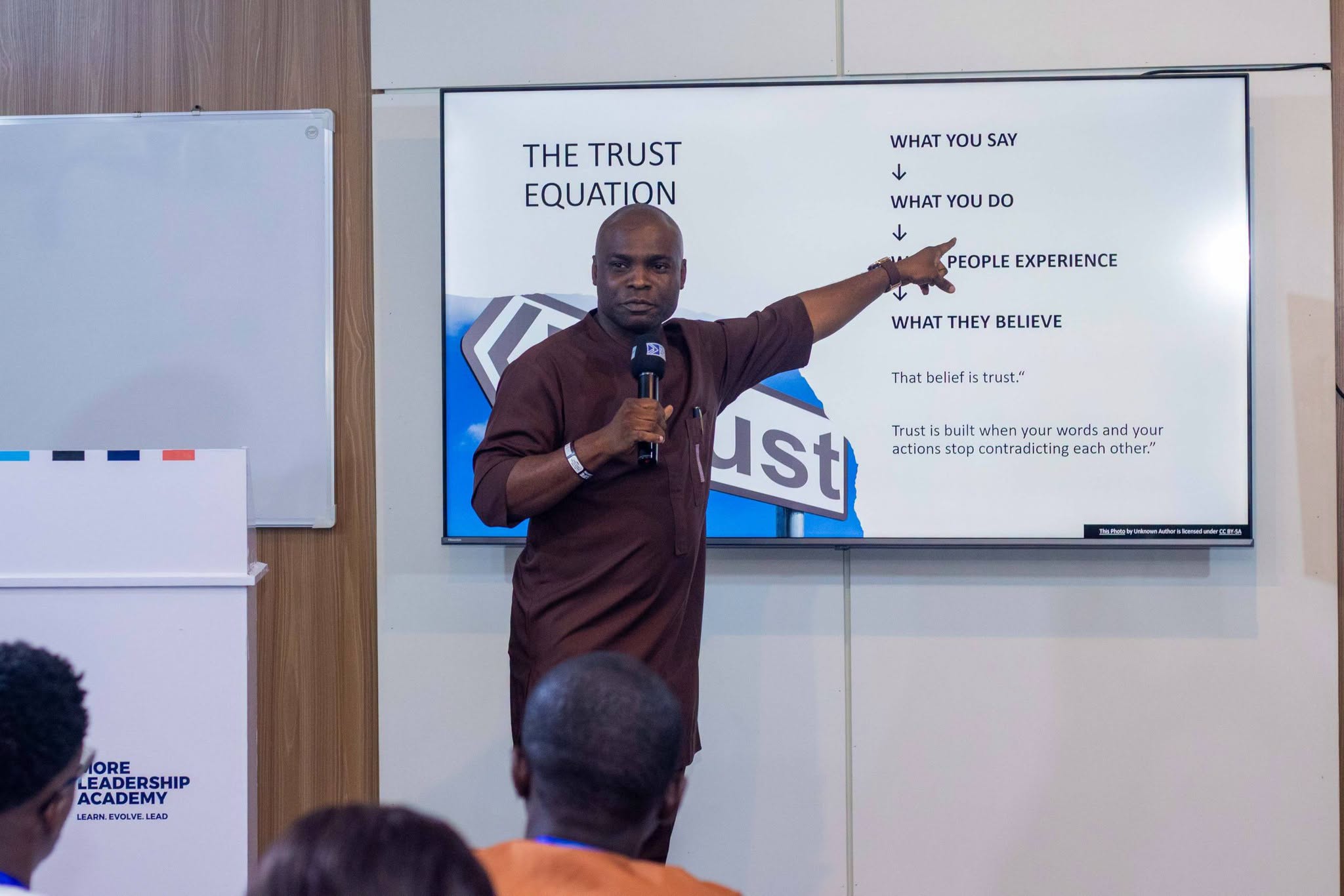

Investing in Young People Before They Become Tomorrow’s Leaders
A defining aspect of More Leadership Academy’s mission is its focus on developing people before they assume major positions of responsibility.
Too often, leadership development is treated as something reserved for individuals who have already attained professional success or secured influential positions. However, the habits, values and decision-making abilities that shape a person’s leadership journey are often formed much earlier.
This makes investment in young people particularly important.
A student who learns accountability, teamwork and effective communication can apply those principles in school, business and future professional responsibilities. A young entrepreneur who understands strategic leadership is better positioned to build an organisation that can grow beyond personal effort. A young community organiser who develops the ability to mobilise people and manage resources can create solutions that extend beyond individual influence.
The objective is not simply to produce people who want to become prominent. It is to develop individuals who understand the responsibilities that come with influence.
For More Leadership Academy, this is part of a wider commitment to building a generation of leaders who can contribute meaningfully to their organisations and communities.
The Academy’s emphasis on practical learning and experience also recognises that leadership cannot be understood entirely through textbooks. People need opportunities to examine real-life situations, engage with experienced professionals, exchange ideas and learn from the experiences of others.
This is where leadership education becomes particularly valuable: when knowledge is translated into the ability to make better decisions and produce meaningful outcomes.
Recognising Young Changemakers: The More Leadership Academy 7 Under 30 Young Leaders Awards
Leadership development is important, but so is recognising people who are already demonstrating what responsible leadership can achieve.
Across Africa, young people are building businesses, developing innovative solutions, supporting vulnerable communities, influencing public conversations and creating opportunities for others. Many of these contributions happen without significant publicity or institutional recognition.
Yet, their work provides important examples of the kind of leadership Africa needs.
It is against this background that More Leadership Academy is introducing the MLA 7 Under 30 Young Leaders Awards, an initiative designed to celebrate exceptional young people whose leadership, character, innovation and measurable contributions are creating positive change.
The awards represent an important extension of the Academy’s leadership development philosophy. Beyond preparing future leaders, there is also a need to identify, celebrate and amplify those who are already making a difference.
The initiative recognises leadership across different areas of society, including entrepreneurship, innovation, student leadership, women’s leadership in STEM, humanitarian work and social impact.
What makes the initiative particularly interesting is its emphasis on evidence rather than popularity alone. According to the Academy’s published awards framework, independent assessment of demonstrated impact accounts for 80 per cent of the final score, while public participation contributes the remaining 20 per cent.
This approach reinforces an important message: recognition should reflect what people have actually done, the problems they have addressed and the difference their work has made.
The awards also create an opportunity for communities, institutions, organisations and individuals to participate in celebrating young people whose contributions deserve greater visibility.
At a time when young Africans are frequently discussed in terms of their potential, initiatives such as the 7 Under 30 Young Leaders Awards provide an opportunity to focus attention on their actual achievements.
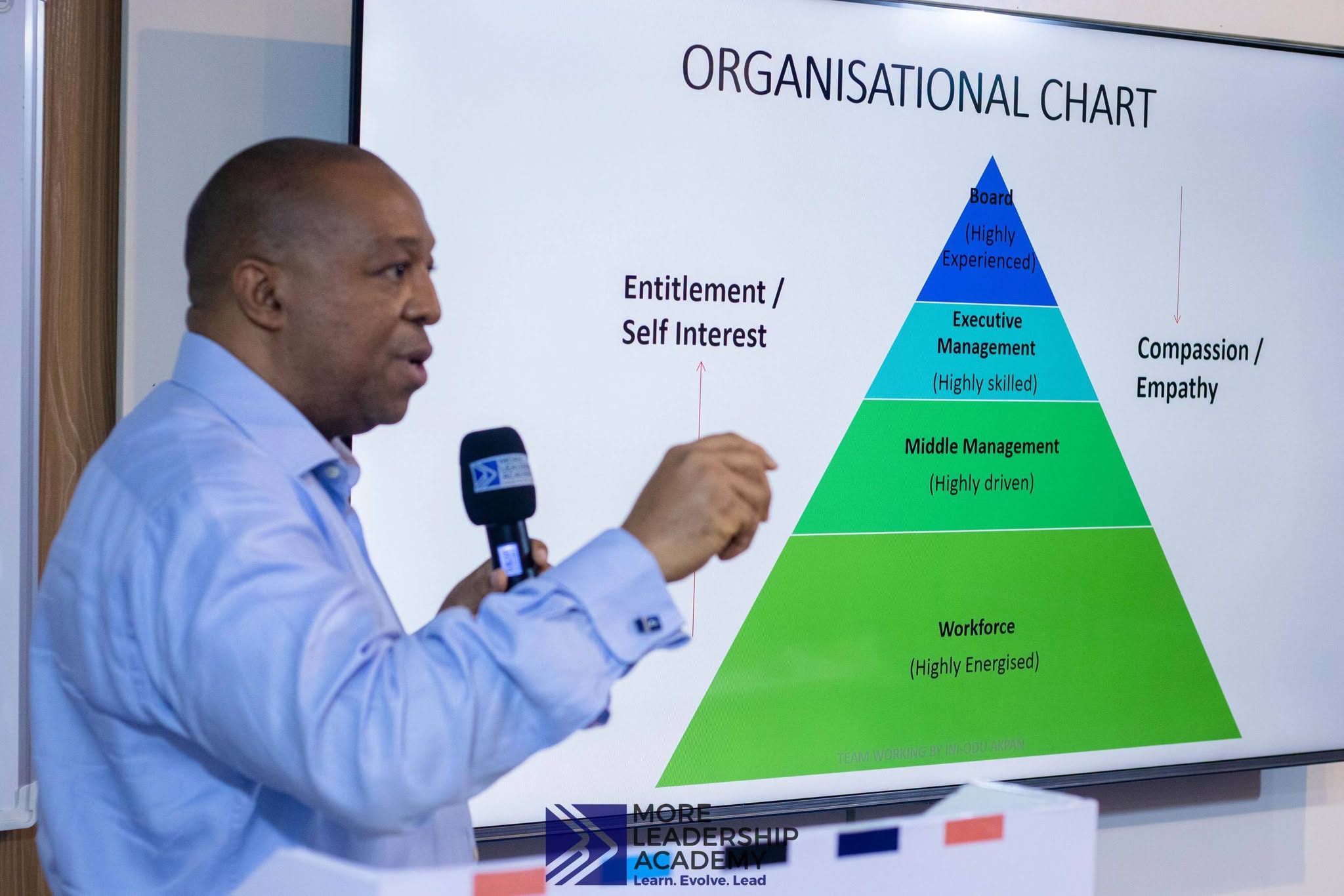
They also offer an opportunity for the public to become part of the process of recognising positive leadership.
To participate, visit the official awards platform:
Vote and support the More Leadership Academy 7 Under 30 Young Leaders Awards
Why Africa Needs Institutions That Develop Leaders
The importance of More Leadership Academy extends beyond the programmes it offers or the awards it organises. It also raises a broader question about the role of institutions in shaping Africa’s future.
No continent can sustainably develop without investing in the quality of its people and the institutions that prepare them for responsibility.
Leadership development institutions can contribute to this process by providing structured learning opportunities, encouraging ethical conduct, strengthening professional competence and creating platforms where emerging leaders can interact with experienced individuals.
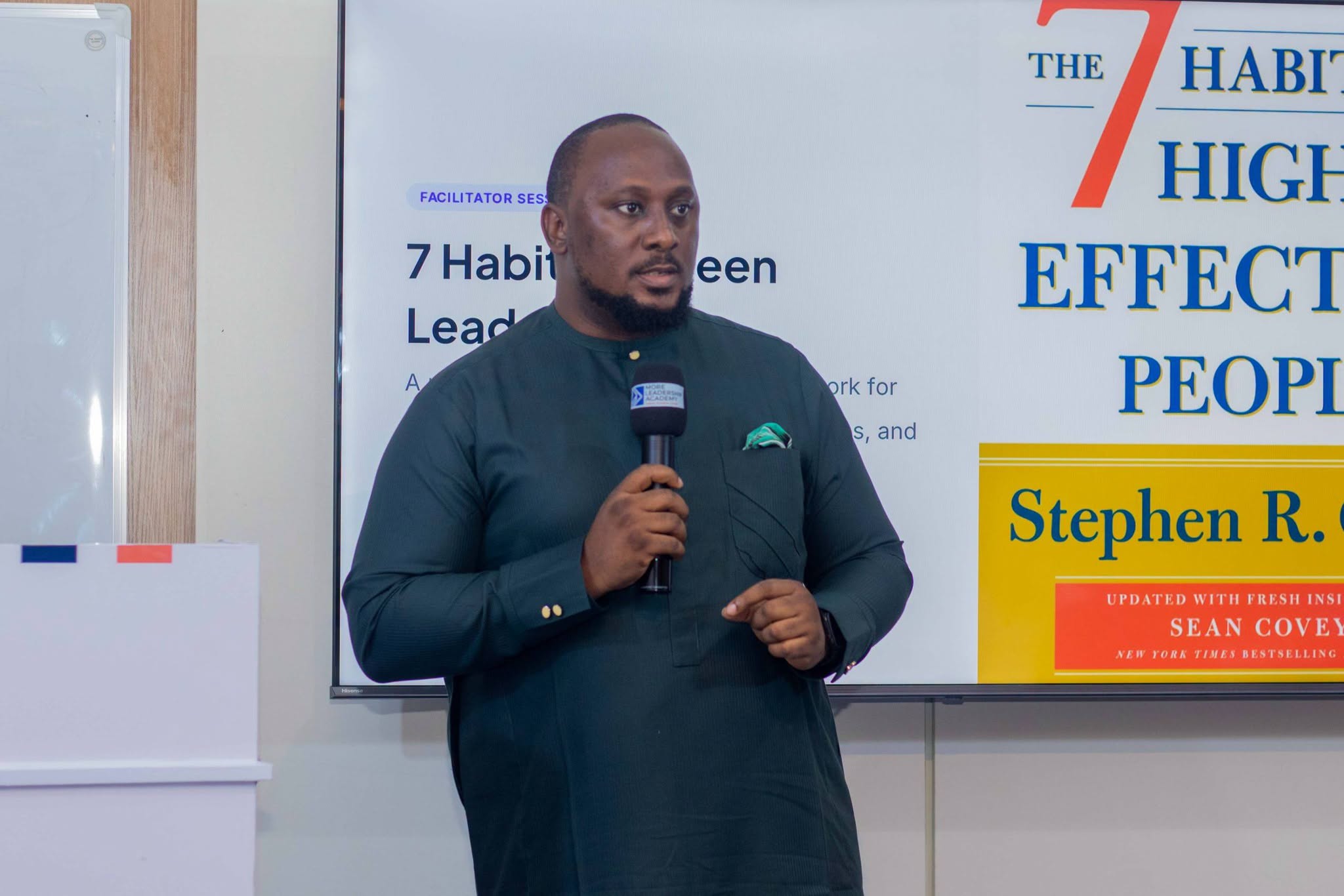
They can also help bridge the gap between education and practical leadership.
For instance, an entrepreneur may understand how to develop a product but require additional knowledge to manage people, build organisational systems and make strategic decisions. A young professional may possess technical competence but need to develop the communication and interpersonal skills required to lead a team. A community leader may have a strong desire to create change but require the capacity to mobilise resources and build sustainable partnerships.
These are different leadership challenges, but they share one common requirement: continuous development.
This is why institutions such as More Leadership Academy have an opportunity to contribute to a wider leadership development ecosystem.
The task is not necessarily to produce leaders who all think alike. Rather, it is to develop people who can apply sound leadership principles within their different professional, social and institutional environments.
Africa needs leaders who can build businesses, strengthen public institutions, advance education, improve healthcare, support innovation and create opportunities for the next generation.
Developing such leaders requires collaboration between leadership institutions, universities, businesses, governments, foundations and development organisations.


Building Bridges for Greater Impact: The Opportunity for Global Partnerships
As More Leadership Academy continues to develop its programmes and expand its leadership development ambitions, collaboration will be an important part of its next chapter.
Leadership challenges are not restricted by geographical boundaries. Across the world, institutions are exploring better ways to develop ethical leaders, prepare young people for changing economies, strengthen organisations and support social innovation.
This creates opportunities for meaningful partnerships between African leadership development institutions and their international counterparts.
For More Leadership Academy, partnerships could create opportunities to exchange knowledge, strengthen programme delivery, expand access to professional development and expose participants to different leadership experiences.
Potential areas of collaboration include:
Academic and institutional partnerships: Collaboration with universities, business schools and leadership institutes could support curriculum development, knowledge exchange, joint programmes and research into leadership development in Africa.
Corporate partnerships: Businesses and corporate organisations can support leadership development through sponsorships, executive mentorship, professional training and opportunities for emerging leaders to gain practical experience.
Youth development and philanthropic partnerships: Foundations, development organisations and international youth networks can help expand access to leadership programmes, scholarships and initiatives that recognise young people creating measurable social impact.
International leadership networks: Connections with global leadership communities can create opportunities for African emerging leaders to participate in international conversations, exchange ideas and build relationships with peers across different regions.
Knowledge and professional exchange: Experienced professionals, academics, entrepreneurs and institutional leaders can contribute through mentorship, guest lectures, joint events and knowledge-sharing initiatives.
These opportunities are particularly relevant as Africa seeks to position its young population as a source of innovation, enterprise and sustainable development.
The value of such partnerships should not be measured only by the number of programmes delivered or events organised. Their real significance lies in the knowledge transferred, opportunities created, people developed and lasting institutional capacity established.
For international organisations looking to engage with Africa’s next generation of leaders, institutions with a clear development mission can provide an important platform for collaboration.
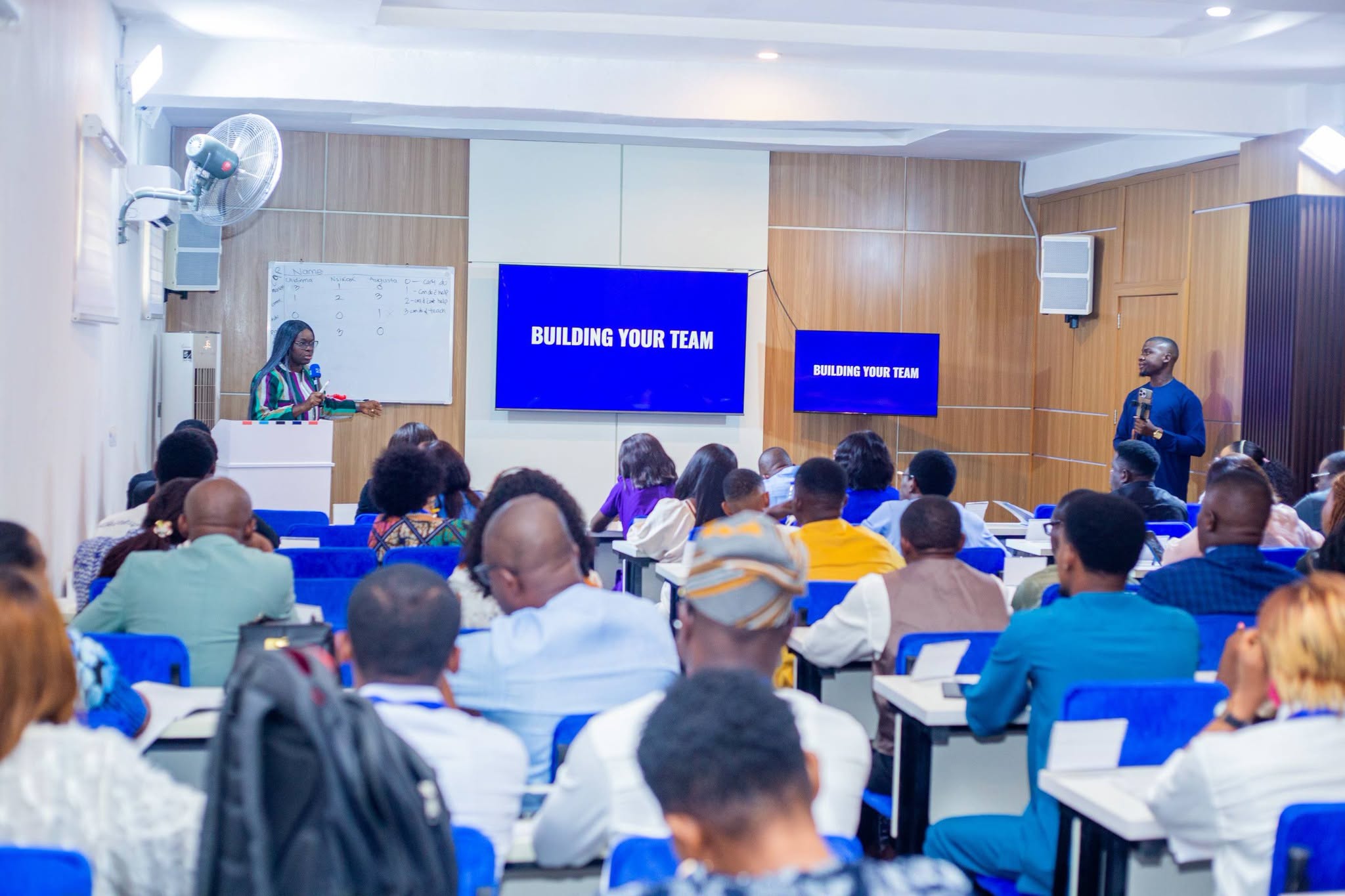
The Next Chapter: Building an Institution That Goes Further
Three years after our initial conversation with its Chancellor, More Leadership Academy presents an opportunity to revisit an important idea: Africa’s leadership future will depend, in part, on what its institutions are doing today to prepare the people who will shape tomorrow.
The journey of building a credible leadership institution is not without challenges. It requires sustained investment, capable facilitators, strong governance, effective programmes, institutional credibility and the ability to demonstrate results.
It also requires a willingness to evolve.
As the Academy develops its programmes, strengthens its networks and introduces initiatives such as the 7 Under 30 Young Leaders Awards, its wider opportunity is to build a platform that connects leadership education with recognition, mentorship, professional development and institutional collaboration.
Ultimately, the success of a leadership institution should not be measured only by the number of people who attend its programmes. It should also be reflected in the quality of decisions its alumni make, the organisations they build, the people they inspire and the communities they transform.
This is the bigger question for More Leadership Academy as it looks towards the future: how can it continue to develop leaders who do not simply seek positions of influence but understand how to use influence responsibly?
For Barrister Morgan Ekanem and the team behind the Academy, the ambition of going further carries an important responsibility: to keep creating opportunities for people to become better equipped to lead, serve and make a difference.
Africa does not lack young people with ideas, ambition and the desire to contribute. What it needs are stronger systems, institutions and partnerships capable of helping them translate those qualities into sustainable impact.
More Leadership Academy is building within that space, with a message that is as relevant today as it was when we first spoke with its Chancellor: the future of leadership must be developed intentionally.
And perhaps the most important measure of its journey will be the leaders it helps raise, the institutions they go on to strengthen and the positive change they create far beyond the Academy itself.
Whether you are an aspiring leader, a business owner, an executive, an organisation interested in leadership development or an institution exploring opportunities for collaboration, More Leadership Academy provides a platform to explore leadership learning and development.
- Explore its programmes: https://moreleadershipacademy.com.ng/courses/programmes/
- Learn more about the Academy: https://moreleadershipacademy.com.ng/about-us/
- Participate in the 7 Under 30 Young Leaders Awards: https://www.moreleadershipacademy.com.ng/awards/